

Structure of sodium hypochlorite generator components
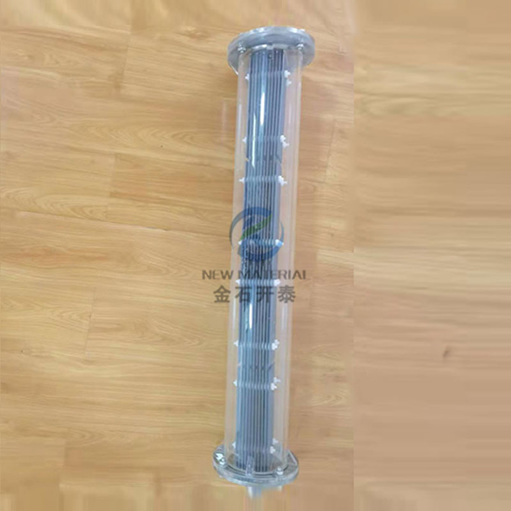
A sodium hypochlorite generator generally consists of several parts,including a salt conversion device,an electrolysis device,a rectification equipment,a water mixing system,an automatic control device,and a liquid storage tank.The core part,the electrolysis device,is composed of a special metal material coated with ruthenium iridium precious metal nanoparticles as the anode and a corrosion-resistant special metal material as the cathode,forming a closed electrolytic cell container.Moreover,the electrolytic cell is equipped with a backwash system and a cooling system inside.
The electrolytic cell of the sodium hypochlorite generator is the key to the sodium hypochlorite generator equipment.The electrolysis reaction and solution reaction for generating sodium hypochlorite are both completed inside it.The performance of the electrolytic cell determines the overall performance of the equipment.An electrolytic cell is generally composed of a tank body,a sodium hypochlorite generator electrode group(titanium anode plate+titanium cathode plate+bipolar electrode plate),etc.The electrodes in the electrolytic cell are conductors for current to enter or leave the electrolyte.The electrolysis process involves oxidation-reduction reactions at the electrode interface.The sodium hypochlorite generator electrodes are divided into two types:unipolar sodium hypochlorite generator electrode plates and bipolar sodium hypochlorite generator electrode plates,which are connected to the power supply according to the polarity of the electrode plates.At present,the electrode structure of large sodium hypochlorite generators in China is mostly bipolar sodium hypochlorite generator electrodes.The electrolysis parameters generally include current density,saltwater concentration,saltwater temperature,saltwater flow rate,etc.The operational performance indicators of sodium hypochlorite generators mainly include effective chlorine concentration,power consumption,salt consumption,and other operating costs.